A Family’s Glimpse into Google’s Med-GEMINI Revolution
Google’s Med-GEMINI AI can read X-rays and medical records with high accuracy, making diagnostics faster and more accessible. But without proper oversight, it risks misuse, overreliance, and diagnostic errors.
EDAI
7/14/20252 min read
When AI Meets X-rays: A Family’s Glimpse into Google’s Med-GEMINI Revolution
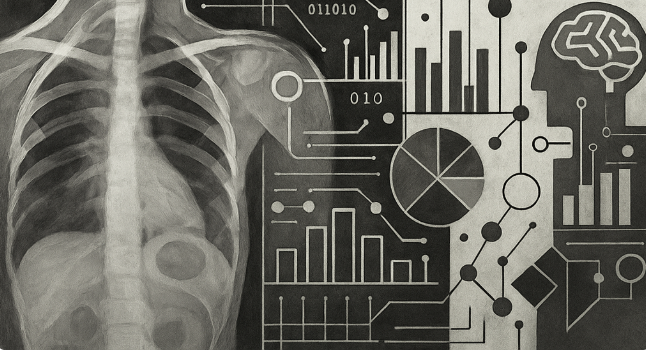
A couple of days ago, I found myself staring at a bunch of health reports for routine family checkups. X-rays, blood panels, scan summaries — the works. As usual, the doctors didn’t explain half of it. So I did what most curious people do: I searched online. That’s when I stumbled upon something truly exciting — Google’s new open-source AI called Med-GEMINI. It can read X-rays and medical records, and the best part? It’s free.
Finally, a Tool for Families Who Juggle Reports
In families like ours, hospital visits are frequent, and deciphering medical reports feels like an unpaid job. With Med-GEMINI’s current 87% accuracy, we now have a second opinion tool that can instantly process an X-ray or a lab result. Within months, it's expected to be integrated into many health apps. Imagine not having to call the radiologist cousin every time someone twists their ankle!
The Promise: Speed, Scale, Simplicity
Med-GEMINI isn’t meant to replace doctors. It’s a tool — a powerful one — designed to assist radiologists and pathologists, helping them scale their work. It flags possible findings, speeds up reporting, and in places where doctors are few, it may even help reduce the gap in primary diagnostics.
But There’s a Catch… or Two
Of course, no tech comes without risk. While the AI is good at spotting general patterns, many serious findings—like subtle vascular issues in lungs or aortic anomalies—can mimic each other across different diseases. There's a genuine fear that without nuanced human interpretation, results might become premeditated or misleading. The AI might give you an answer, but is it the right one?
The Bigger Threat? Misuse in Unregulated Hands
In countries like ours, where pharmacy counters often serve as makeshift clinics, there’s a growing worry. What happens when this AI becomes just another app on a local pharmacist’s phone? Over-diagnosis, uncontrolled use of antibiotics, and AI-led chaos in rural health are very real concerns. Imagine an AI misinterpreting an X-ray, leading to a wrong prescription and worsening resistance to life-saving drugs.
The Rise of “AI Fatigue” in Medicine
Another angle that’s rarely discussed: what happens to young radiologists learning the ropes? Traditionally, they develop judgment by slowly and meticulously reviewing scans, discussing with seniors, and learning to think critically. If AI does all the “thinking,” will humans stop? This is what I call AI Fatigue. It’s already creeping into finance and could hit healthcare by 2030 — with deadly consequences if unchecked.
What I Did: GPT for My Family’s Health
Feeling inspired and slightly cautious, I went ahead and built a custom GPT for my family. It pulls out old reports, shows trends, and even graphs test results over time. Our family doctor appreciates it, but not all do — some feel it threatens their authority. But when the goal is collaborative care, tools like these aren’t enemies — they’re teammates.
What Lies Ahead?
Med-GEMINI is inevitable. It’s coming. But the question isn’t about adoption — it’s about how we adopt it. With proper guardrails, it could revolutionize healthcare. Without them, we might end up in a mess far bigger than we expect.
So, next time you get an X-ray — maybe let the AI read it. But let your doctor interpret it. Together, they might just save your life.